Is your house giving pests a winter survival plan without you realising it? When the season turns cold, insects and mice move toward indoor heat. They track moisture and lingering odors even more effectively than heat, especially in areas where regular cleaning is neglected. Smart pest control teams don’t wait for pests to settle. They block access and break the comfort loop early. One strong fix beats multiple weak reactions. The goal is simple to keep homes warm for residents but unsafe for pests.
Winter infestations usually start small but spread quickly if ignored. Tiny cracks, leftover food, moisture buildup, and cluttered storage create ideal hiding and breeding spots for pests. A proactive pest control approach ensures your home remains protected, clean, and comfortable throughout the cold season. This guide shares proven prevention steps used by trained and a professional team field teams to stop infestations before they grow.
1. Seal Hidden Structural Gaps
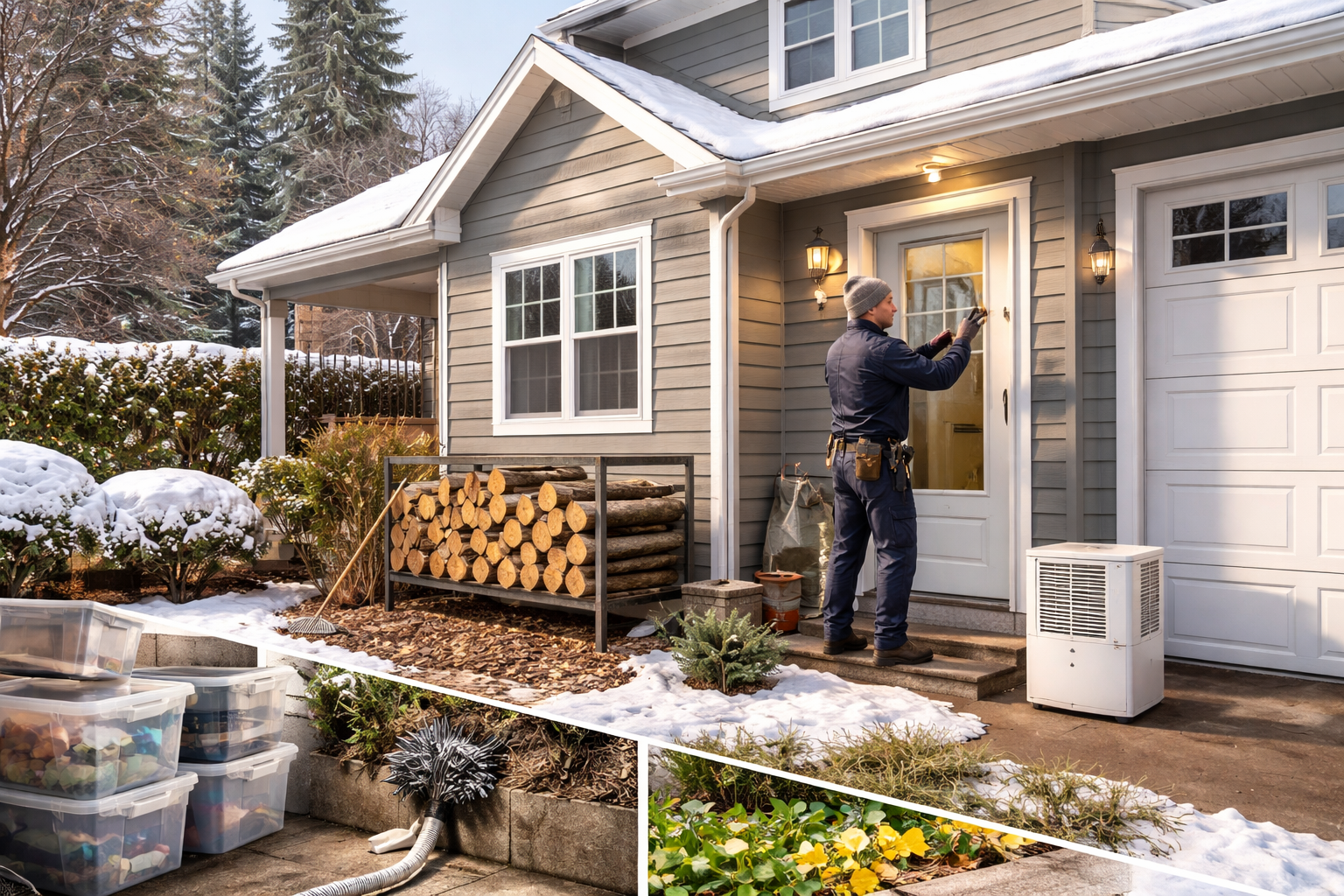
Crawling species take advantage of gaps around doors, windows, walls, attic borders, and pipe openings. Insects can enter and mice can explore spaces smaller than a coin. Silicone filler is used to seal smooth cracks because it adheres well and prevents air leaks. Pipe or ground holes are packed with metal wool because rodents cannot bite through it. Door strips block crawling insects at night. Roof gaps attract outdoor insects like stink bugs and cluster flies, so sealing them early removes pressure instantly. This step stops colonies from forming inside the structure.
2. Night Hygiene Cycles
Pests don’t come for warmth alone. They come for warmth mixed with dirt. Food crumbs, grease layers, and open garbage create feeding windows at night. Professionals reset the environment before pests track scent trails. They seal food in airtight containers and remove waste daily. Garbage bags are tied and thrown out fast, not stored inside. Wiping counters and floors nightly breaks the feeding loop. Clean cycles stop pests from building pheromone communication paths. The aim is simple: no smell, no crumbs, no feeding chance at night.
3. Declutter Nesting Corners
Clutter creates hidden shelters. Pests multiply where inspection is hard. Cardboard, paper stacks, unused bags, and furniture pushed against walls trap heat and block airflow. Every month, pest control teams remove clutter to maintain open spaces for monitoring and ventilation. Dust trails and hiding places are eliminated by vacuuming storage corners, under beds, and hidden floor edges once a week. Because sealed plastic bins are easy to inspect and remain dry, professionals use them instead of cardboard. To prevent nesting in layers of fabric, clothing is kept in sealed covers. The goal is not organising clutter but removing it where pests hide.
4. Heating Zone Control
Heating should warm living areas, not walls. Walls warmed by imbalance become pest hotels. Pest control teams seal vent gaps and add mesh screens so insects and mice cannot move through ducts. Attic insulation stays tight without openings. Professionals maintain warm air for residents but keep structural cavities protected from excess heat pockets. Heating flow is controlled and checked monthly, so pests never get stable warmth inside the structure layers. The aim is comfort for residents, not shelter for pests.
5. Waterproofing to Reduce Pest Dalliance
One of the greatest attractants of pests in winter is moisture. Leaked sewer pipes, basements, bathroom condensation, and kitchen moisture provide the perfect environment for survival to insects and rodents. Under sinks, behind appliances, and water lines are the regular areas where pest control crews inspect to remove concealed leaks. Dehumidifiers are also suggested where dampness is likely to occur, particularly in the storage rooms and the basements.
6. Outdoor Perimeter Maintenance
Prevention of pests does not begin inside the house; instead, it begins outside the house. The pests also use the outdoors of the house to construct colonies using leaves, firewood piles, overgrown shrubs, and clutter in the garden and later move to the indoors. Experts recommend the storage of firewood in places apart from the structure of the exterior walls and the pruning of plants that contact the structure. Holes in walls, lines in foundations and open vents outside the building should be covered to prevent entry points. Controlled and clean perimeter in the outdoors minimizes pest pressure during the approach to your home.
7. Seasonal Items Safe Storage
Holiday decorations, woollens, shoes, blankets, and other winter storage items may make good nesting places when improperly stored. The pest control teams advise the storage of seasonal goods in closed plastic bins rather than using cardboard boxes, which are easily chewed by pests. Before storing clothes, they should be washed off so that there are no traces of food or body oil, which attract insects. Areas of storage such as lofts, basements and closets must be inspected on a monthly basis to identify signs of infestation at an early stage. Sealed, dry and clean storage prevents the ability of the pests from seeking shelter and warmth in dark places.
Conclusion
Winter pest pressure signals a system weakness, not just a temperature issue. The best rule is simple: a warm house, a sealed system. Block entry, remove moisture, reset smell trails, and clear clutter. Homeowners fail when they react late or spray randomly. The team wins by breaking the comfort and access loop early, especially when guided by an expert crew. A strong defence, built once and checked in cycles, keeps homes stable for years without repeat chaos. The goal is resilience, not constant reaction.