Food Safety Impact of Pests on Home Cleanliness
Have you ever thought, what is hiding in the corners of your kitchen, shelves in your pantry, or behind the appliances? The reason is that most of us would consider our homes to be clean and safe, yet the reality is that pests are experts at sneaking in. These unwelcome guests can be very destructive to the hygienic conditions and food safety, starting with tiny ants carrying crumbs to the rodents gnawing holes in the food packaging. It is not just a nuisance, they bring bacteria, viruses and allergens which can infect your food and threaten the health of your family.
Knowledge of the impacts of pests on our homes, and the means of preventing them, can save time, money and stress. We should have a closer look at what dangers pests carry around and how the containment of pests keeps food and hygiene secure.
1. Food Safety Threats of Pests
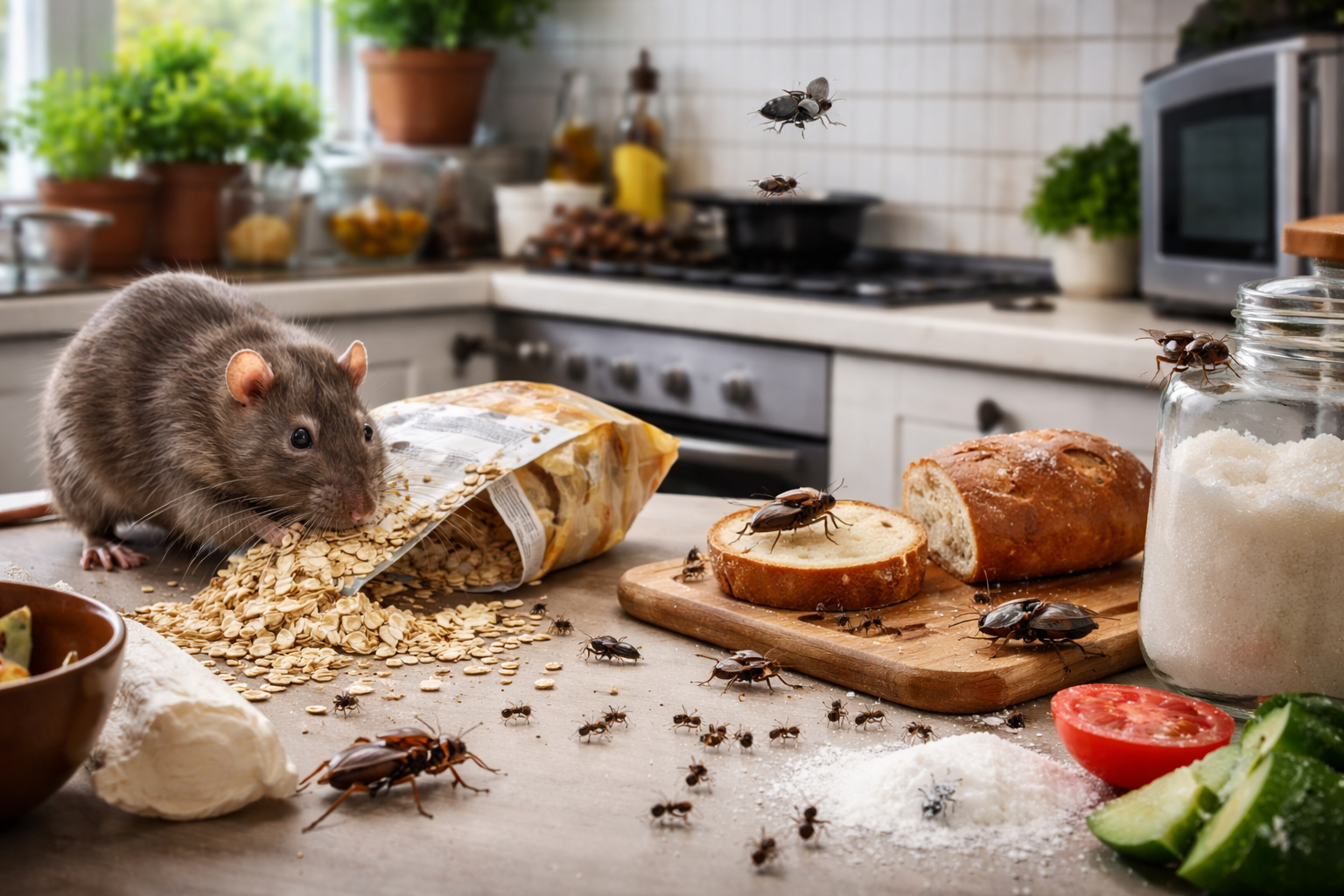
Pests are not only annoying nuisances, but also a threat to be taken seriously concerning the safety of the food we eat, as per the professional teams. Rats, cockroaches, ants and flies are identified as vectors of disease-causing pathogens. When these pests come across your pantry or the surface of your kitchen counters, they leave behind their droppings, saliva and even body parts behind. These pollutants may bring on board the bacteria Salmonella, E. coli, and Listeria, which are known to cause foodborne diseases.
Ants, even apparently harmless ones, are able to contaminate food. They go down the rubbish bins, down the pipes and other unsanitary places and then find your sugar bowl or pantry products. This way, your kitchen surfaces may be infected with germs by a simple ant infestation. On the same note, flies are also known to spread diseases since they put their nose on garbage material before resting on food.
2. The Way Rodents Undermine Hygiene
One of the most devastating pests as far as domestic cleanliness is concerned, is the rodents. Their teeth will shred through food packages, exposing your groceries to contamination. Rat urine and droppings are one of the sources of bacteria, particularly, and their existence can cause allergy or respiratory issues to sensitive people.
Hantavirus, leptospirosis, and salmonella are also some of the pathogens that are transmitted through rodents. A single mouse has the capacity to infect dozens of food items and surfaces even before it is detected. On top of all the health hazards, rodents tend to leave poor smells and spots on your home, rendering your home dirty and unfriendly.
3. Cockroaches and Unseen Contamination
The other contagious cause of food safety and hygiene is cockroaches. They are quite hard and they would hide in the cracks, behind the appliances or in cabinets. When they pass through food handling areas, they leave bacteria, including Salmonella and E. coli that could cause serious gastrointestinal effects.
Also related to such pests are allergies and asthma attack. Their outdoor droppings, eggs, and faeces pollute the surfaces and any stored food and form a significant issue for homes with children or aged occupants. The cockroaches not only indicate dirtiness but also an environment where germs can thrive easily.
4. Introduction of Flies in the Transmission of Disease
Appearances can be deceiving; flies are some of the best disease vectors. An excellent example of this is the houseflies, which feast on garbage, sewage and decaying debris, then fly on food, utensils and tiled countertops. In doing so, there is a transfer of pathogens and this leads to health risks and food contamination.
Fruit flies are also small, and yet they bring in bacteria and drop eggs on the fruits and vegetables that are yet to fully mature. It may seem that the infestation of flies is not dangerous, but there is a high possibility of spreading foodborne diseases.
5. Hygiene to Prevent Infestations
The risk of infestation can be reduced significantly by regular cleaning of surfaces in the kitchen, adequate food storage and timely disposal of garbage. Home prevention is achieved by sealing the food containers, sweeping the crumbs, and keeping sinks dry and inviting fewer pests.
Normal inspection of the spaces behind the appliances, under sinks and the corners of pantry areas can assist in early infestation detection. Even such minor problems as a small crack or a leak may serve as points of pest entry when neglected.
6. Professional Pest Control in Long-term Safety
Although self-help steps may apply, an expert crew of pest management guarantees to conduct extensive reviews, prevention, and treatment. Experts have the skill to pinpoint the areas of trouble, to use the non-toxic and effective methods of pest removal, and finally to give recommendations that will stop any more infestations from occurring.
The pest control service not only secures your food and sanitation but also safe your family’s health and peace of mind. Early intervention avoids minor pest concerns that result in expensive and health-threatening scenarios.
Conclusion
Pests are not just a nuisance, but are a great risk to food security as well as housekeeping. Since the rodents infect the food stored in the groceries, the cockroaches transmit bacteria, and the flies transmit bacteria, the dangers are not hypothetical. A healthy home involves keeping the home clean, ensuring there are early signs of infestation being noticed, and taking preventive measures. When some issues are long-term or intensive, professional pest control is the answer. Guard your family, guard your food and keep your own surroundings hygienic by keeping a look out on pests before they transform your home into a health hazard.