Prevent Rodents from Invading Your Kitchen Easily
Have you ever been in your kitchen at night and made an impression that you saw something moving in the corner of your eye? Or opened a cupboard to discover small droppings which certainly were not there today? Your kitchen is the centre of your house, but to a rodent, it may seem like a buffet that you can eat all you want, and also warm places to stay. Mice and rats are shrewd, fast and eager in foraging for food, water and openings.
They not only cause a mess after they get in, but they also cause health risks, destroy wiring, contaminate food and breed as flies do. The positive side is that it does not require magic to keep rodents out, but rather intelligent habits and knowledge. With minor adjustments to the way you store food, wash and cover your area, you will be able to transform your kitchen into a refuge that is not appealing to rodents but rather something they would evade.
1. Store Food the Right Way
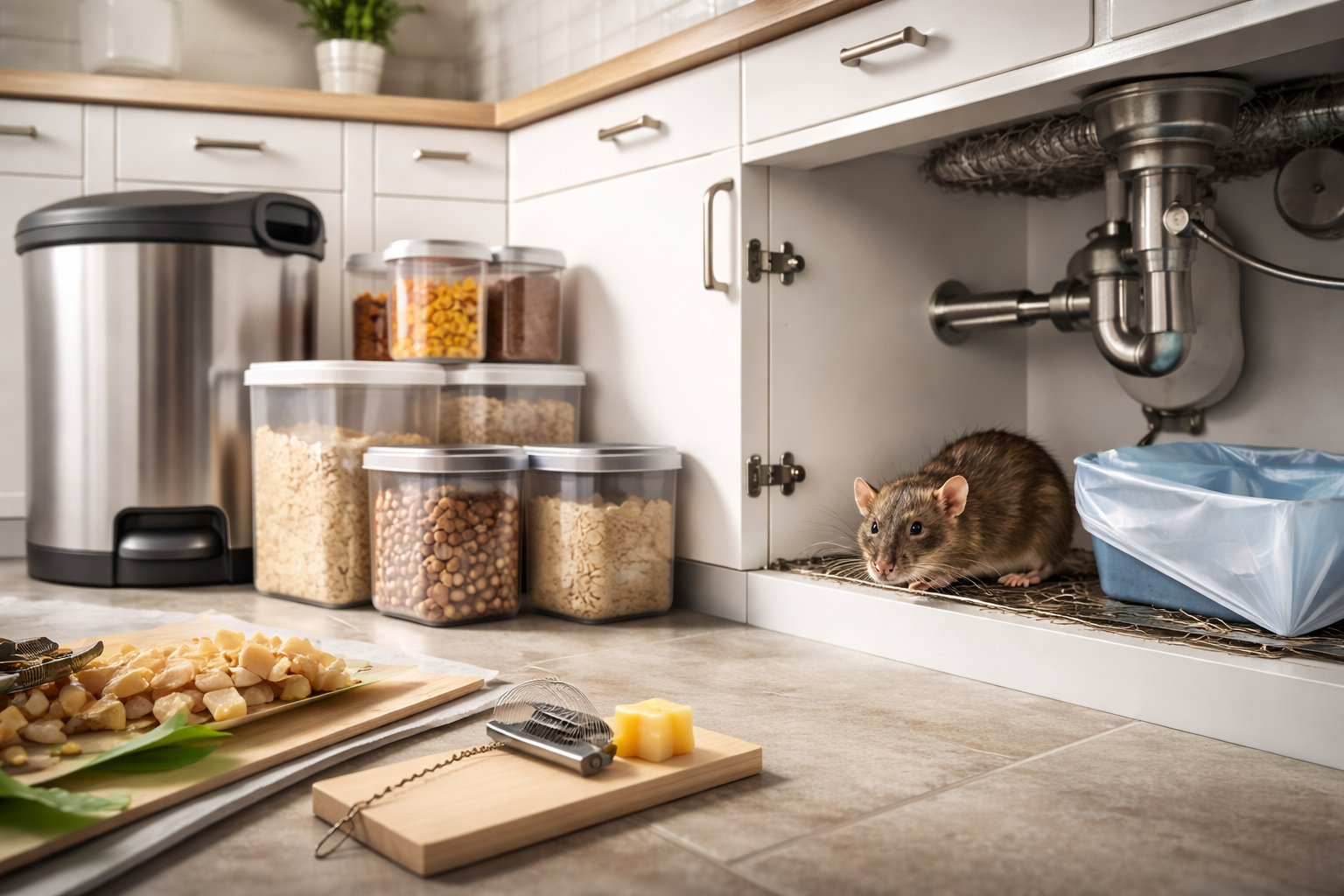
The sense of smell of Rodents is really incredible, and even a few crumbs can attract them, as per expert teams. Putting food in transparent wrappings or on tables sends an invitation. Keep food in airtight containers, such as glass, metal or thick plastic, which contain dry goods such as rice, flour, cereal, and pet food. Fruits, bread, and snacks should not be left open at night. Irrespective of the size of spills, they should be cleaned in a hurry, even those within cupboards. The harder the food is to access, the less incentive rodents will have to visit your kitchen.
2. Wash Surfaces Daily
The initial defence is a clean kitchen. Leftover greasers, crumbs and spills are known to attract rodents. Washing of counter tops, cooktops and tables has been a daily routine during cooking and consumption of food. Mop or sweep the floor daily, especially around the appliances where food normally falls without being noticed. Do not forget about cleaning behind the fridge and oven regularly. The rodents can be fed on the smallest food traces thus the habitual cleaning is a major factor that contributes to their eviction.
3. Seal Entry Points and Gaps
The rodents find it very simple to access the inside via the apertures and squeeze through quite small holes, smaller in size than a coin. Check the doors, windows, pipes, vents and skirting boards, and so on, whether there are any cracks or holes. Close these openings with sealant, steel wool or Weather striping. They should pay much attention to areas beneath sinks and utility lines. The fewer access points your kitchen has, the more difficult it will be to get into the kitchen. It is always better to prevent than to cure a case of an infestation.
4. Manage Rubbish Properly
One of the highest attractions of rodents can be your rubbish bin. Always keep bins with a tight-fitting lid and keep emptying them often. Do not leave garbage overnight, and in particular, food waste. Occasionally, wash the bin to get rid of the remaining smells. In case you keep bins outside, you should close them and should not keep them close to walls where rodents can climb. Smart garbage eliminates your other large food supply that will give an invitation to the undesired visitors in your kitchen.
5. Repair Leaks and Take Away Sources of Water
Mice do not only seek food, but water, as well. Leaks in the tap, dripping pipes or condensation under sinks are the ideal drinking place. Look behind the sinks and appliances, and look for moisture. Fix the leaks in the plumbing immediately and dry up the standing water. Pests will be much less interested in a dry kitchen, and leaks will also prevent the long-term damage of your cabinets and flooring.
6. Organise Storage Areas
Crowded cupboards and storerooms make good hiding places for rodents. Arrange shelves and do not place things on the floor. Put them in transparent containers in order to identify issues at an early stage. Move pantry goods around and dispose of dated food frequently. Within your kitchen, rodents will not have many places to conceal, nest, and even breed when storage areas are neat and exposed.
7. Pay Attention to the Early Warning Signs
The rodents normally leave the evidence even before your eyes. Gnawing marks, faeces, ripped wrappings, night sounds and greasy rub marks on the walls would be signs of movement. The sooner you can observe these signs, the more you will be able to prevent the issue. This irresponsibility at a young age will allow rodents to multiply within a very short time and it will be hard and expensive to manage them in their mature age.
8. Use Preventive Measures
Another layer of protection can be provided by simple means. There are door sweeps, vent mesh covers, and vent seals properly about pipes. There are also traps that are used by some homeowners in places where one would not expect them to be. This is aimed not only at removal but at prevention in the long run. Of course, the rodents will move elsewhere with no food and water in the kitchen that is not easily accessible.
Conclusion
There is no need to transform the intrusion of rodents in your kitchen into a titanic endeavour, according to a professional crew. Smart food storage, cleaning every day, sealing up potential access points, disposal of waste, and additional attention to the first signs will allow building a pest-averse kitchen. It is simpler to prevent, and it is relatively inexpensive, by comparison, to deal with a full-blown infestation. These are simple but powerful practices that will make you relax knowing that you have a rodent free and clean kitchen.